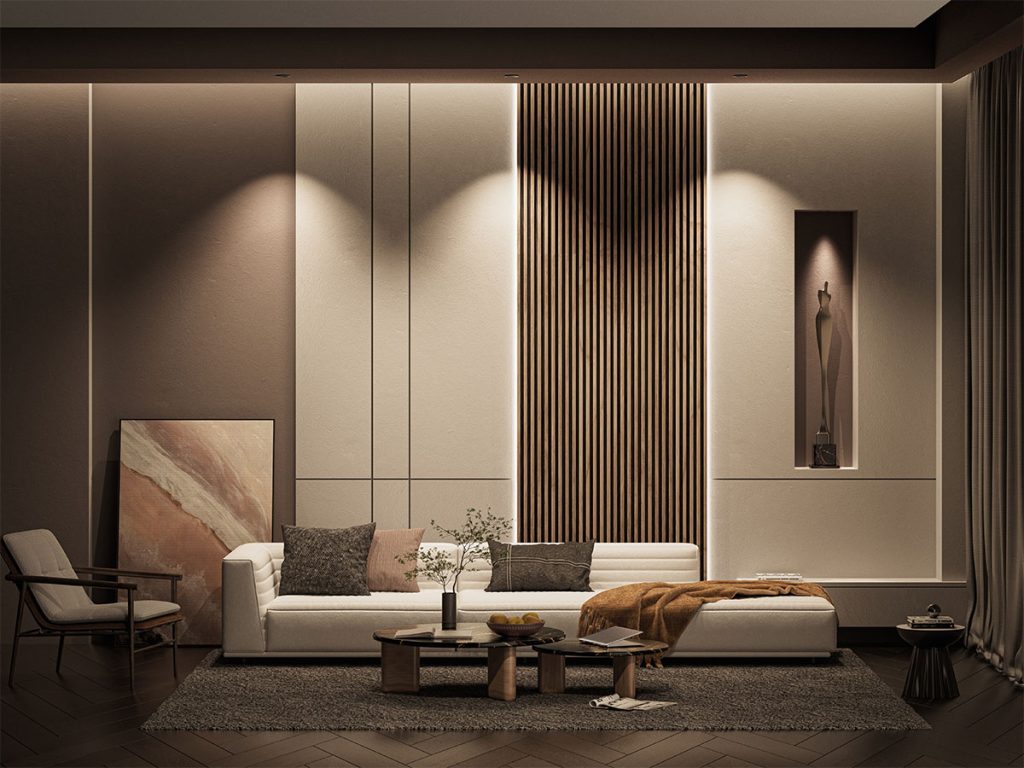
s a seasoned lighting designer, I've come to appreciate the profound impact that lighting can have on our daily lives. Beyond simply illuminating spaces, well-crafted lighting designs can enhance activities, uplift moods, and significantly improve the quality of life. So, what should be considered when creating a lighting design that achieves these objectives? Let's delve into the essentials.
Purpose and Functionality:
Before diving into the intricacies of lumens and fixtures, it's crucial to understand the purpose and functionality of the space. Is it a workspace that requires ample task lighting? A cozy living area meant for relaxation? Each setting demands a tailored approach to lighting design to fulfill its intended function effectively.
Human-Centric Lighting:
Recognizing the impact of lighting on human circadian rhythms, it's imperative to incorporate elements of human-centric lighting into designs. By mimicking the natural progression of daylight, we can regulate sleep-wake cycles, boost productivity during the day, and promote relaxation in the evening, ultimately contributing to overall well-being.
Mood and Atmosphere:
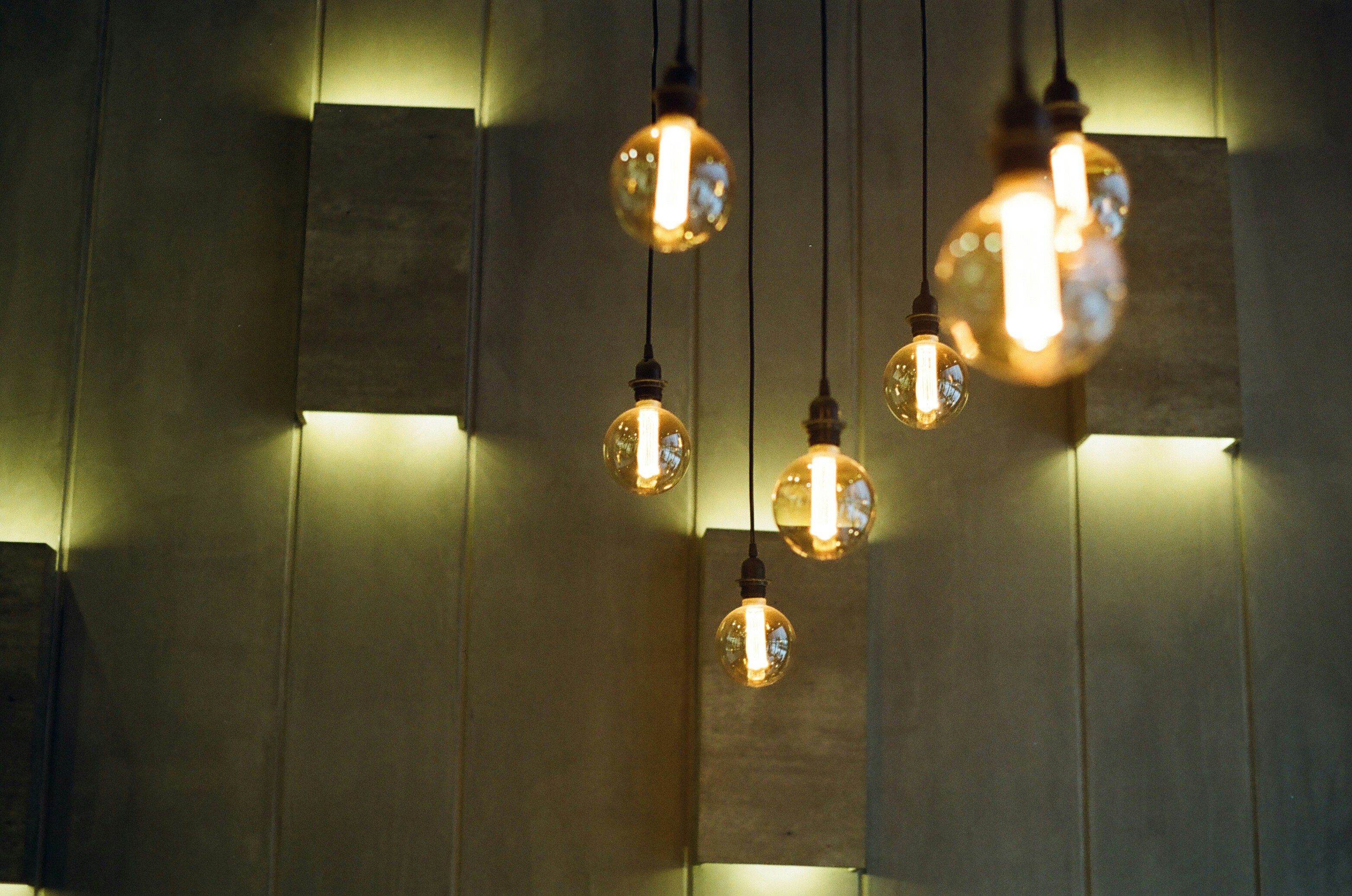
Lighting has the remarkable ability to set the mood and atmosphere of a space. Whether it's creating a warm, inviting ambiance for intimate gatherings or implementing dynamic lighting schemes to infuse energy into commercial environments, thoughtful consideration of mood and atmosphere can elevate the user experience and leave a lasting impression.
Energy Efficiency:
With sustainability at the forefront of design considerations, embracing energy-efficient lighting solutions is not only environmentally responsible but also economically advantageous. LED technology, in particular, offers a myriad of benefits, including reduced energy consumption, extended lifespan, and flexibility in design possibilities.
Flexibility and Adaptability:
In today's dynamic environments, flexibility and adaptability are paramount. Lighting designs should accommodate varying needs and preferences, allowing users to adjust lighting levels and color temperatures according to changing activities and time of day. Smart lighting systems offer unparalleled flexibility, empowering users to personalize their lighting experience effortlessly.
Aesthetic Appeal:
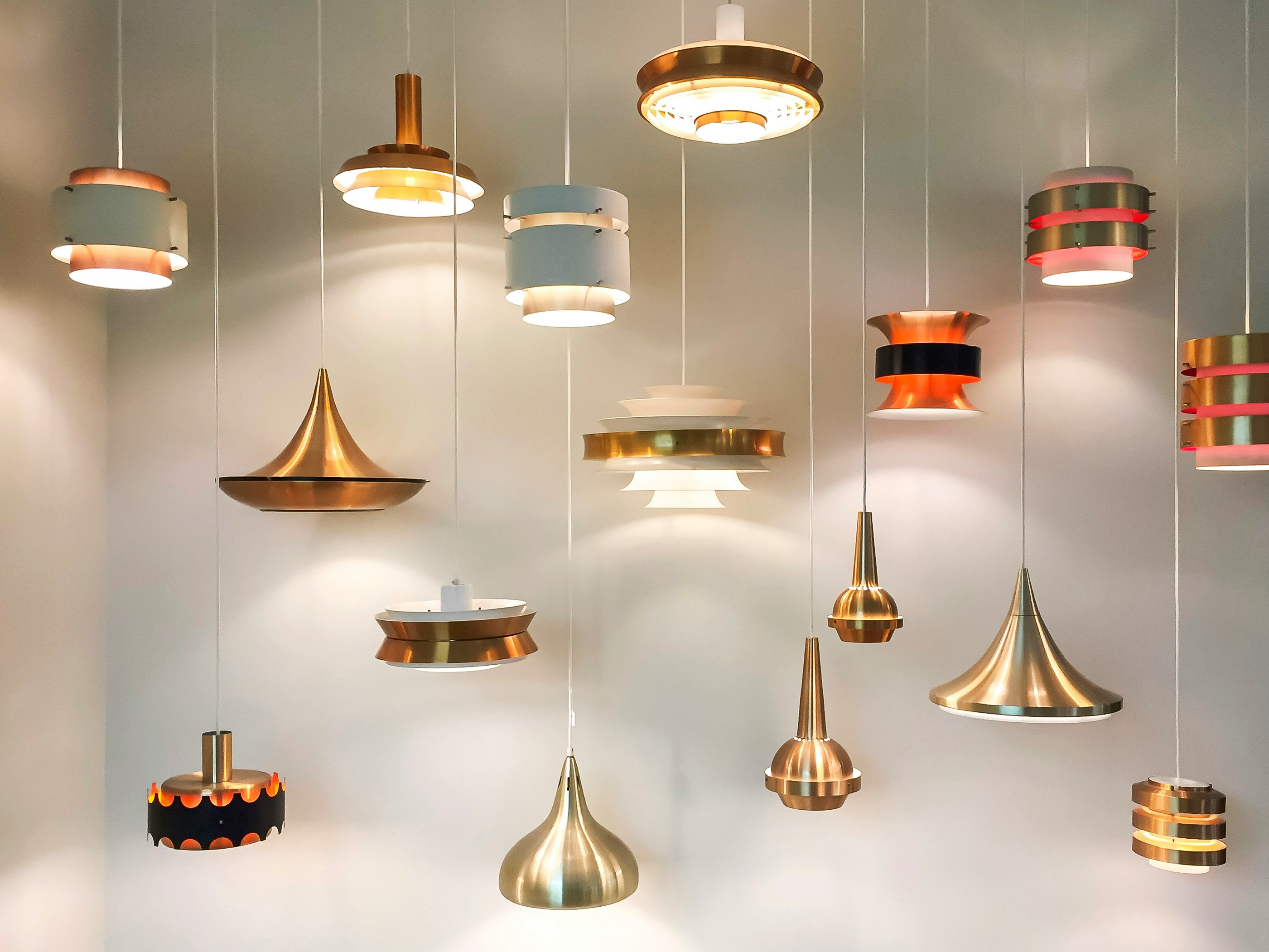
While functionality remains paramount, aesthetic appeal should not be overlooked. Lighting fixtures serve as design elements in their own right, contributing to the overall aesthetic of a space. From sleek and minimalist designs to bold statement pieces, selecting fixtures that complement the architectural style and interior decor enhances the visual coherence of the environment.
Conclusion
Creating a lighting design that transcends mere illumination requires a holistic approach that considers the multifaceted aspects of human experience. By prioritizing purpose, human-centric principles, mood, energy efficiency, flexibility, and aesthetic appeal, lighting designers can craft environments that not only meet practical needs but also enrich lives and inspire awe. As guardians of light, let us continue to illuminate spaces with creativity, empathy, and ingenuity, enriching the human experience one design at a time.
Get more insight into lighting design with one of our tools, Blox's Playbook. From interior to exterior lighting we have the designs, so you can use them to get inspiration and create your own lighting design!
Stay tuned for more lighting topics!
Blox's Team, Light Less Ordinary.