ighting is one of the most crucial elements in home design, yet it’s often overlooked. A well-thought-out lighting plan not only enhances the aesthetics of your home but also improves functionality and mood. The key to a successful lighting scheme is layering, which involves combining ambient, task, and accent lighting. By understanding the purpose of each layer, you can create a balanced and versatile lighting setup for every room.
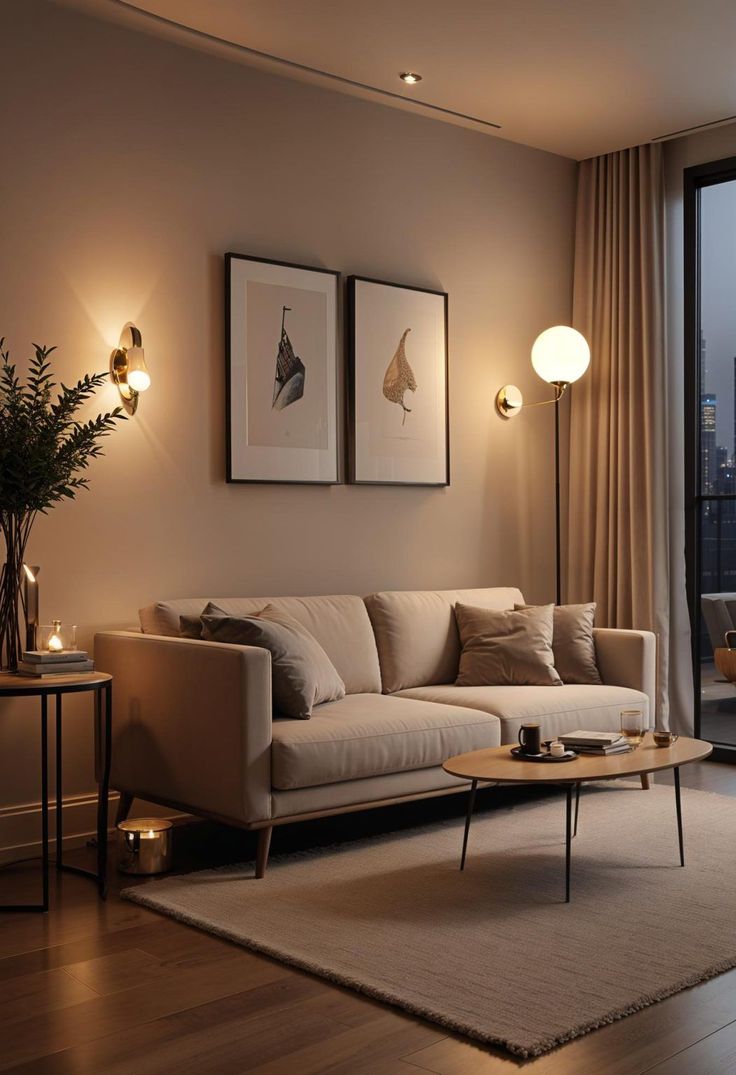
Start by identifying the primary purpose of each space and plan the ambient lighting accordingly. Ambient lighting provides the general illumination for a room, such as ceiling fixtures or recessed lights, ensuring the space is well-lit. For living areas or bedrooms, opt for warm-toned light sources to create a cozy atmosphere, while cooler tones work better for kitchens or workspaces where clarity and brightness are essential. Make sure the placement and brightness of your ambient lights are consistent to avoid harsh shadows or overly dark corners.
Next, layer in task lighting to focus on specific activities like reading, cooking, or working. This includes under-cabinet lights in the kitchen, desk lamps in the study, or bedside lamps in the bedroom. Position task lighting to minimize glare and shadows, ensuring you have clear, focused illumination where it’s needed. Dimmable options can be particularly useful, allowing you to adjust brightness depending on the time of day or the activity.
Accent lighting brings character and depth to your home by highlighting key features or adding decorative elements. Wall sconces, spotlights, or LED strips can be used to draw attention to artwork, architectural details, or even plants. Accent lighting is also an excellent way to play with color and texture, adding layers of interest to your design. By integrating all three types of lighting, you can craft a cohesive and dynamic home environment that’s as functional as it is beautiful.
Blox’s Team
Light Less Ordinary