ighting design combines creativity, practicality, and technical knowledge to make a house functional and inviting. Crafting an interior lighting plan involves more than choosing fixtures; it’s about understanding how light interacts with spaces, affects moods, and enhances design. Here’s a streamlined approach to the creative process of lighting design.
1. Assessing the Space
Effective lighting design starts with analyzing the space. Identify each room’s purpose: relaxation, productivity, or socializing? Note architectural details, natural light sources, and focal points like artwork or furniture. This assessment guides the choice of ambient, task, or accent lighting.
For example, a living room might need soft ambient lighting for relaxation and focused task lighting for reading. A kitchen benefits from bright task lighting for cooking and general ambient lighting for a welcoming vibe.
2. Setting the Mood and Gathering Inspiration
Lighting should reflect your home’s style and personality. Draw ideas from design sources and consider lighting’s emotional effects: warm tones for coziness, cooler tones for energy. A mood board can help align lighting ideas with color schemes, textures, and furniture. Decide how fixtures—like chandeliers or recessed lights—act as focal points or subtle enhancements.
3. Layering Light for Versatility
Successful designs layer three types of light:
- Ambient: General room illumination via ceiling fixtures or pendants.
- Task: Focused lighting for activities like cooking or reading, such as desk lamps or under-cabinet lights.
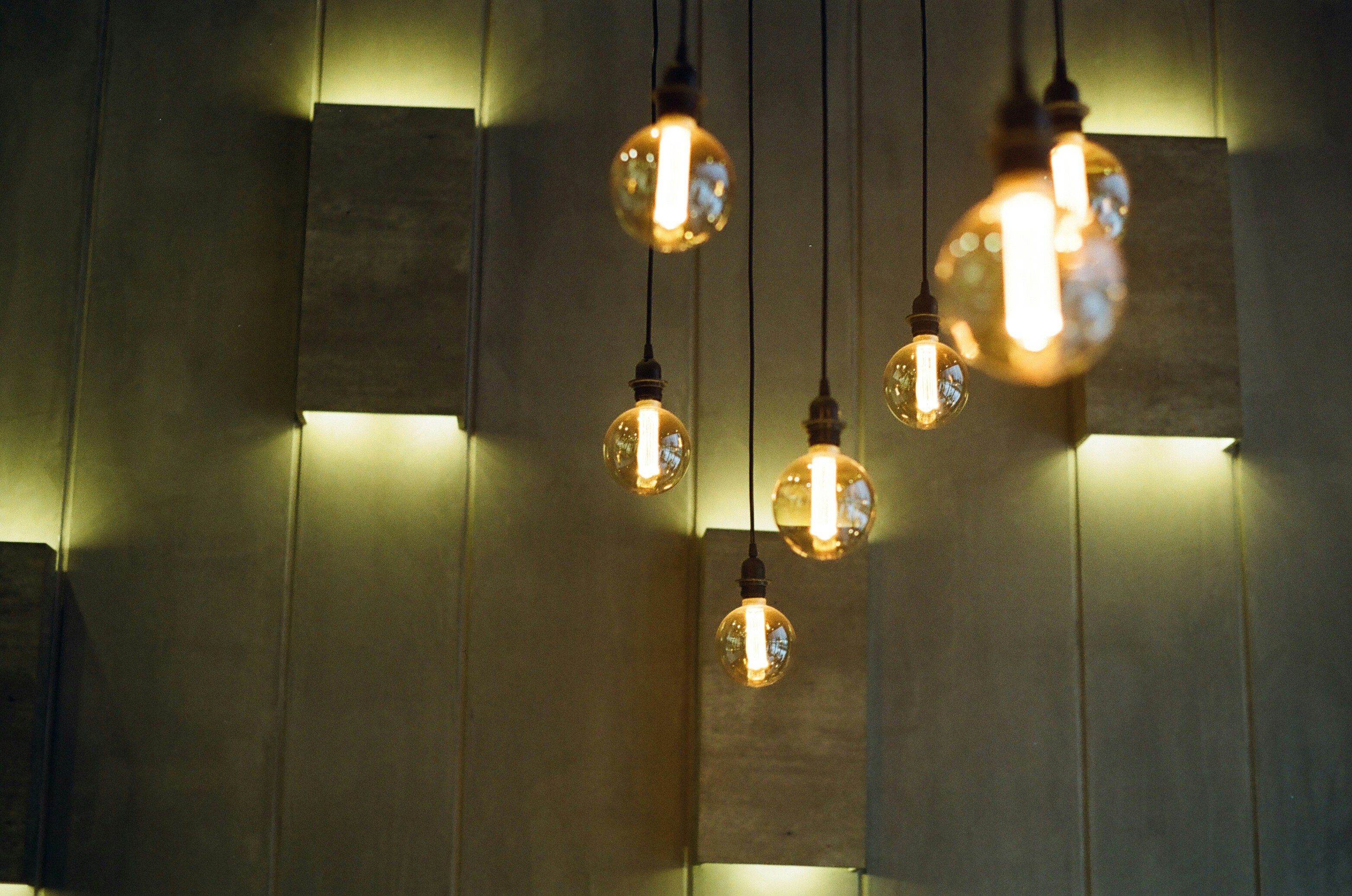
- Accent: Highlighting decorative features with spotlights or LED strips.
Combining these layers creates adaptable lighting for different moods. Dimmers or smart systems allow easy customization.
4. Experimentation and Refinement
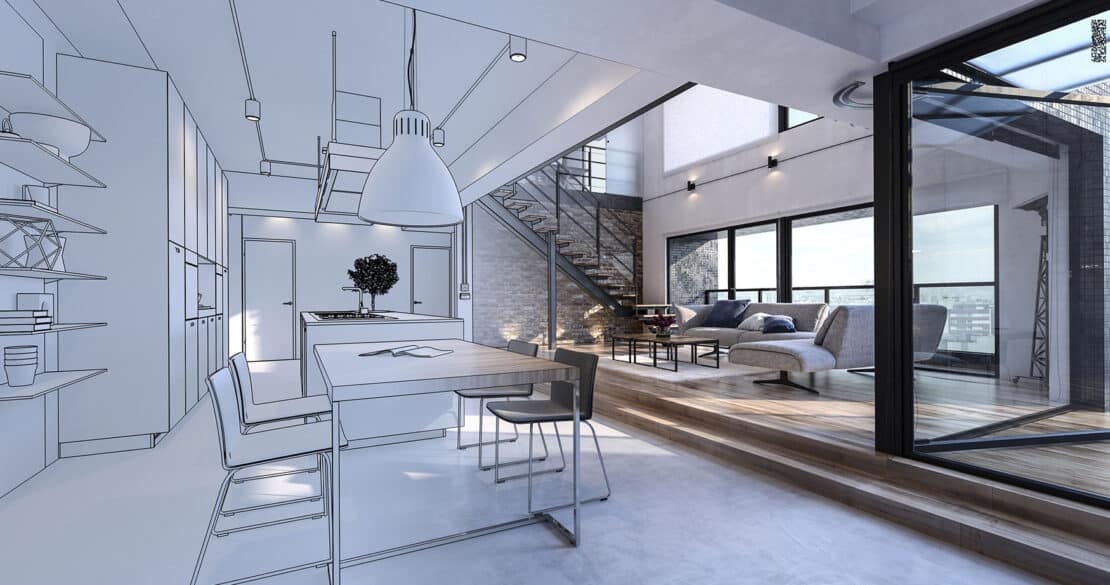
Experiment with fixture placement and observe how light shapes the room. Uplighting can elevate ceilings, while downlighting adds intimacy. Match fixtures to the room’s style—sleek designs suit modern spaces, while ornate fixtures fit traditional ones.
Consider budget, wiring, and energy efficiency. Opt for LED lighting to balance cost and eco-friendliness. Consult professionals to merge creativity and functionality.
Conclusion
Designing a home lighting plan blends artistic vision with technical precision. By assessing spaces, layering light, experimenting, and refining, you can create a lighting scheme that enhances both style and practicality. Thoughtful planning ensures your home radiates comfort and sophistication.
Blox’s Team
Light Less Ordinary