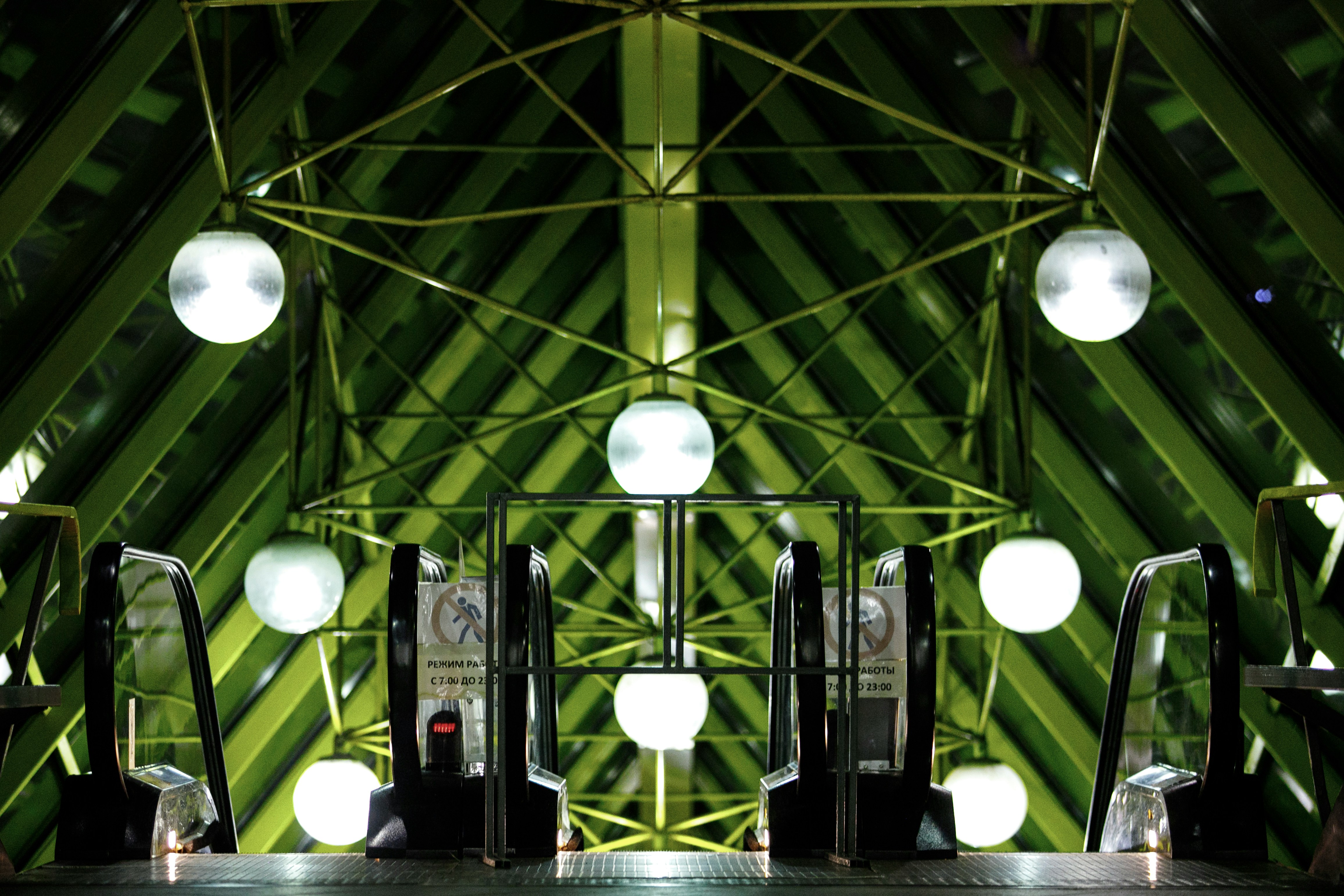
ndoor open spaces, such as lofts or multipurpose rooms, require a strategic lighting plan to ensure functionality, aesthetics, and balance. Thoughtful lighting enhances the open and airy feel while catering to the space's various purposes.
Layering Light
Combining ambient, task, and accent lighting ensures versatility.
● Ambient Lighting: Use recessed lights or pendants for overall brightness. Uplighting is ideal for high ceilings.
● Task Lighting: Add focused lighting, like floor or table lamps, for reading, dining, or work areas.
● Accent Lighting: Highlight features such as artwork or plants with spotlights or wall-mounted fixtures for depth and interest.
Zoning with Light
Lighting helps define areas in open spaces.
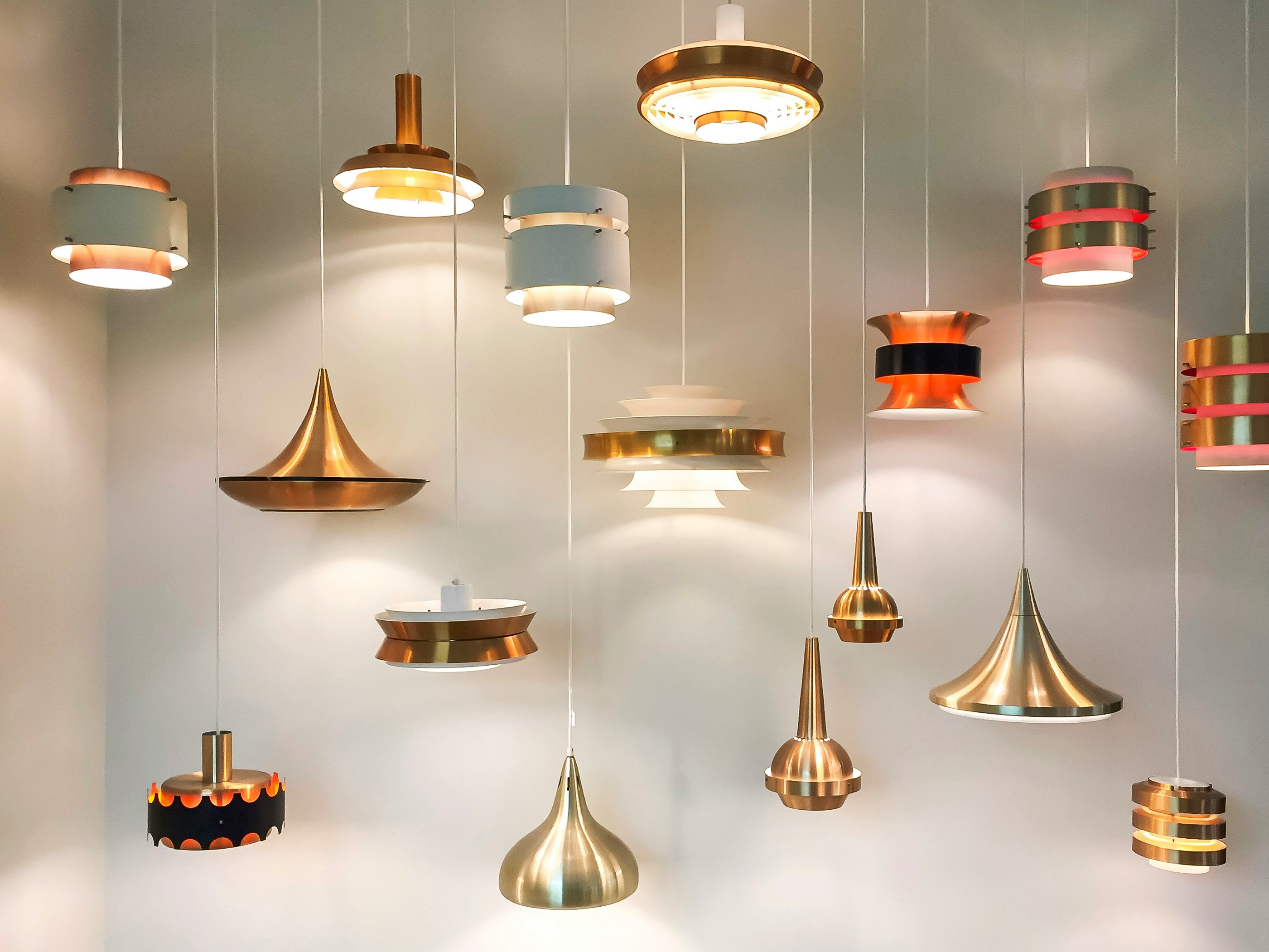
● Dining Areas: Use pendants or chandeliers above tables to create focus and add dimmers for mood control.
● Living Areas: Soft wall sconces and floor lamps create a cozy ambiance.
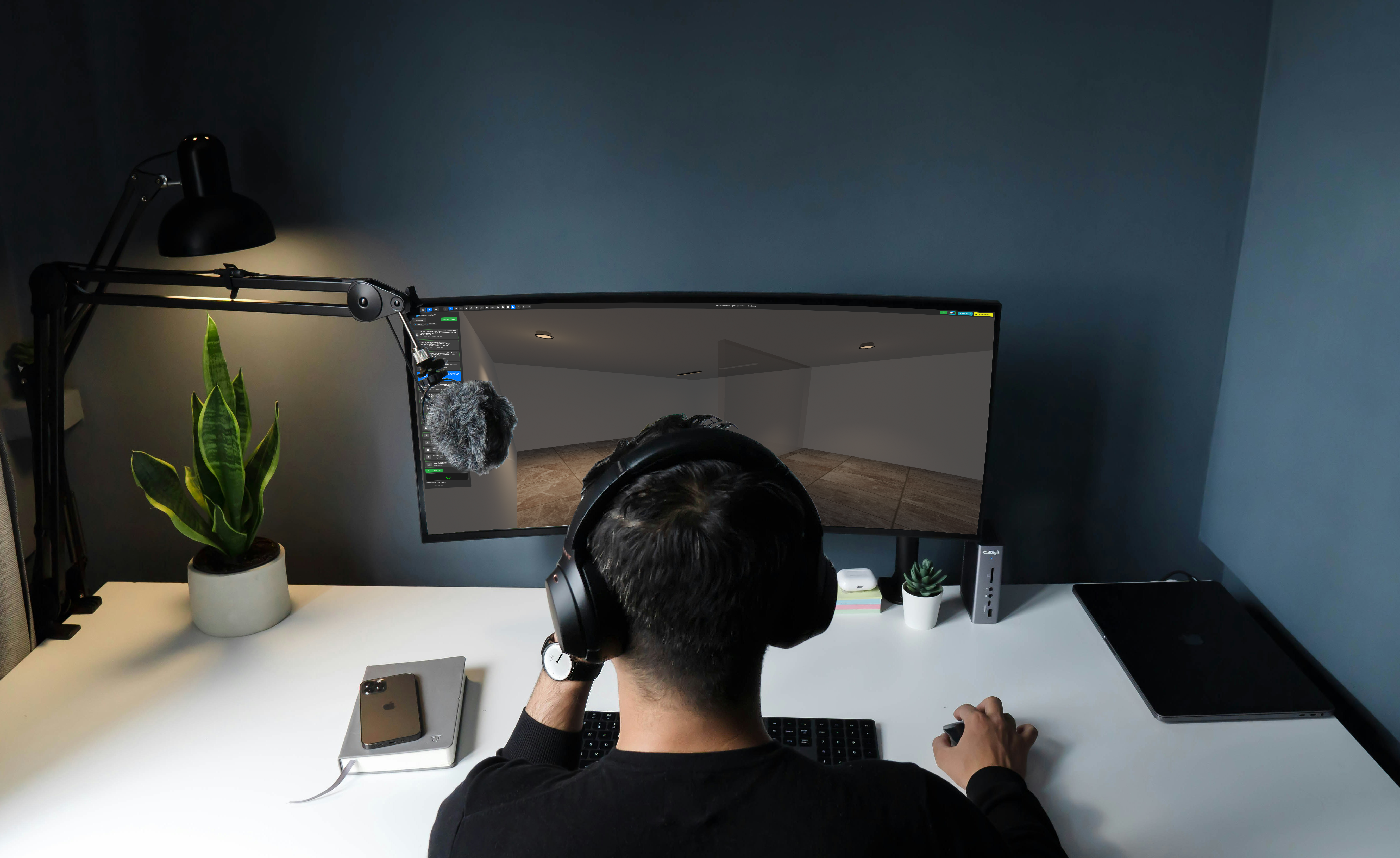
● Work Areas: Bright task lighting like desk lamps ensures productivity in work zones.
Choosing Fixtures and Smart Solutions
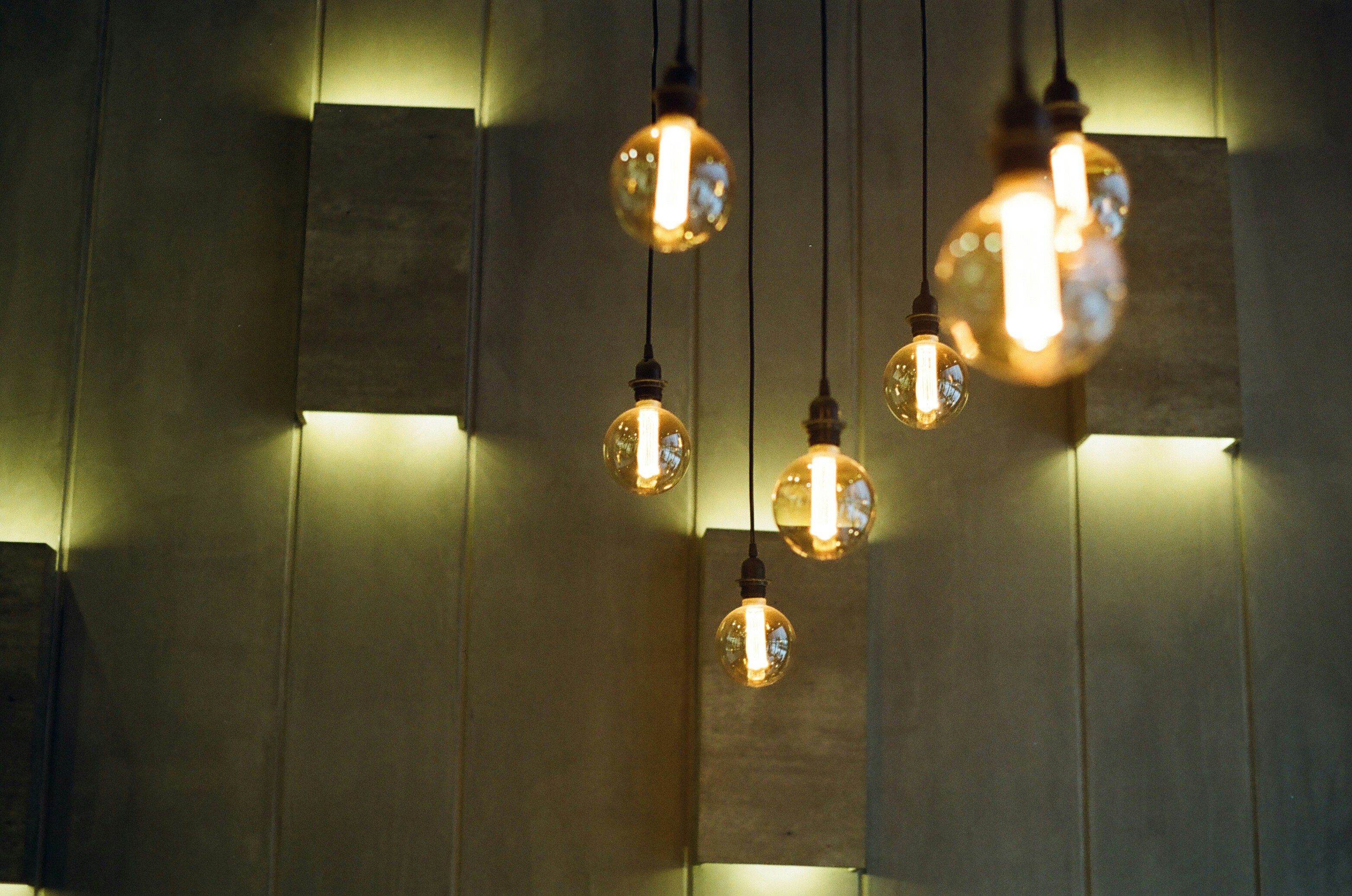
Select fixtures that enhance the design while maintaining openness. Transparent pendants or track lighting offer flexibility. Smart lighting systems with adjustable brightness and color adapt to activities and times of day, ensuring comfort and energy efficiency.
A well-planned lighting design balances functionality and aesthetics in indoor open spaces. Layered light, defined zones, and modern technology create a versatile and inviting environment, perfect for diverse needs.
Blox’s Team
Light Less Ordinary