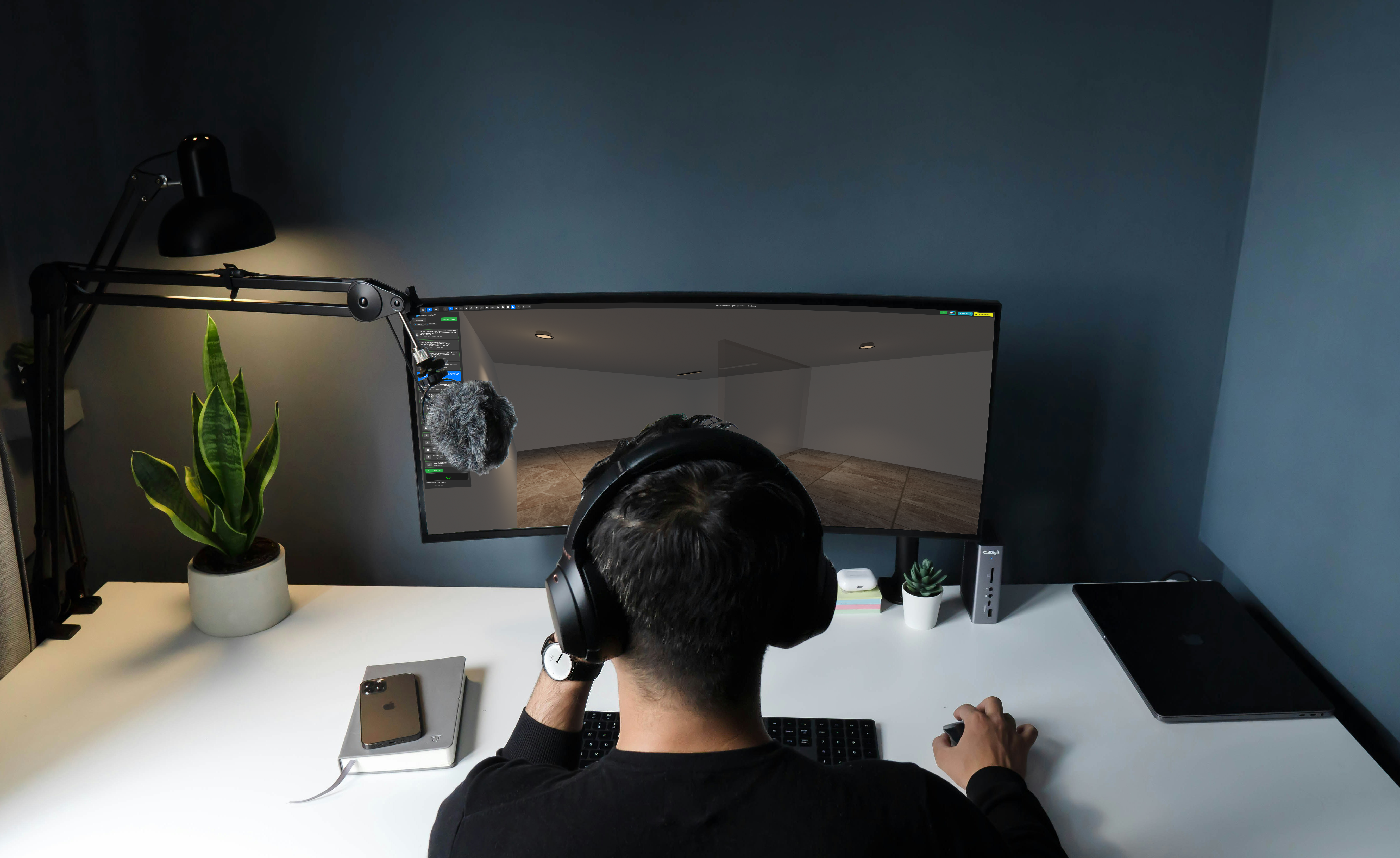
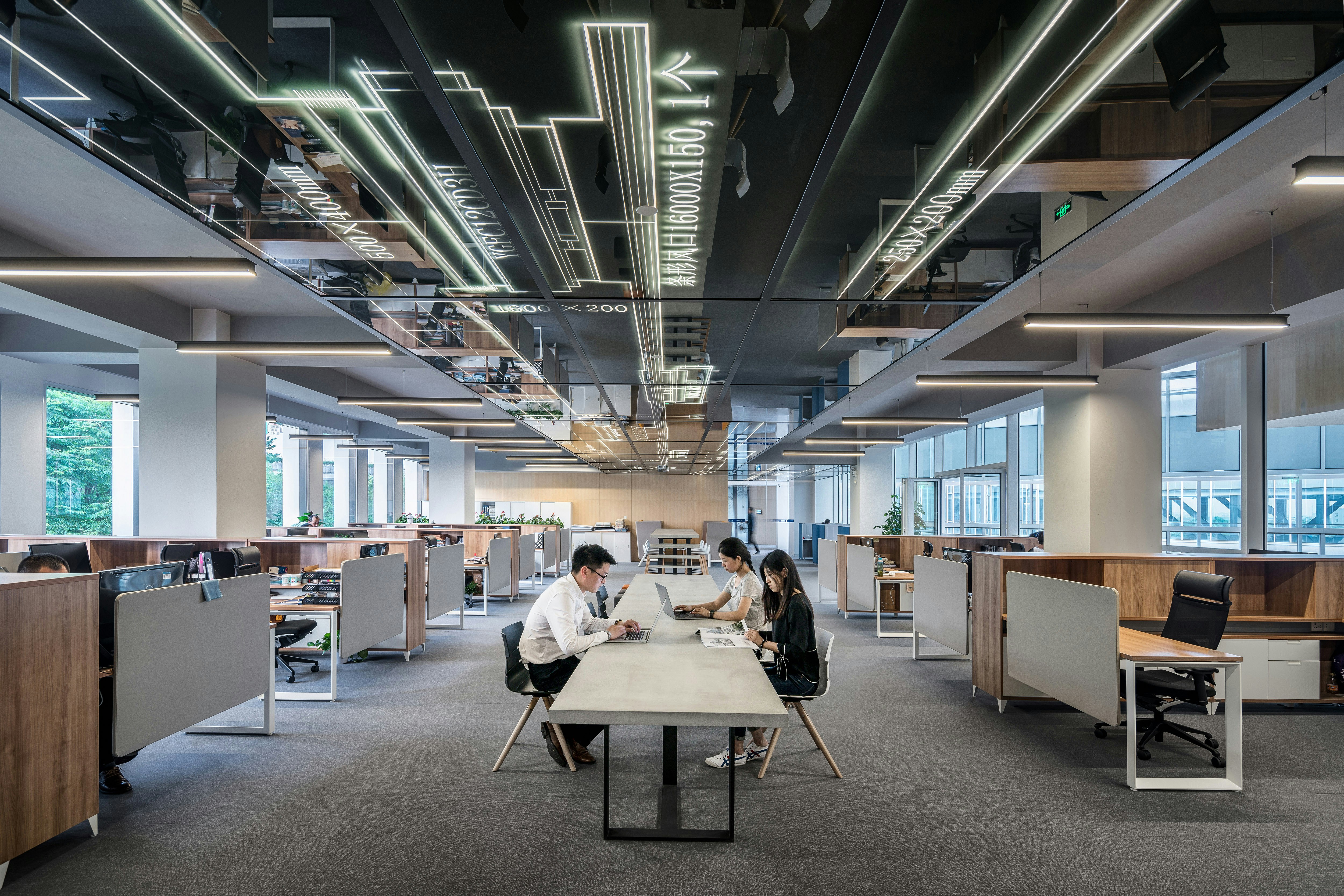
ith more people working from home, creating a well-lit and comfortable workspace is essential. Lighting plays a crucial role in productivity, reducing eye strain, and maintaining energy levels throughout the day. The key is to find the right balance between natural and artificial light to create an efficient and pleasant work environment.
Pros and Cons of Natural Light
Natural light is known to boost mood, increase productivity, and improve overall well-being. A workspace with ample daylight reduces the need for artificial lighting, saving energy and lowering electricity bills. However, relying solely on natural light has drawbacks. Weather changes, seasonal variations, and glare from direct sunlight can disrupt work, making it necessary to incorporate artificial lighting for consistency.
Pros and Cons of Artificial Light
Artificial lighting provides stability, ensuring a well-lit workspace regardless of time or weather. Adjustable lighting options, such as LED desk lamps and ambient lighting, allow control over brightness and color temperature, enhancing comfort. However, poor artificial lighting can cause headaches, fatigue, and eye strain, especially if it's too harsh or improperly positioned. Over-reliance on artificial lighting may also lead to higher energy consumption.
Finding the Right Balance
To optimize your home workspace, position your desk near a window to maximize natural light while avoiding direct glare. Use light-filtering curtains to control brightness. Complement daylight with layered artificial lighting—task lighting for focused work, ambient lighting for overall illumination, and accent lighting for aesthetics. Choosing adjustable fixtures and warm, eye-friendly bulbs helps maintain a comfortable and effective work atmosphere.
By combining natural and artificial lighting thoughtfully, you can create a workspace that enhances productivity, reduces fatigue, and provides long-term comfort.
Blox’s Team
Light Less Ordinary