ighting plays a fundamental role in architectural design, shaping both aesthetics and functionality. A well-executed lighting plan enhances spatial perception, influences mood, and defines the character of a space. Architects with decades of experience understand that light is not merely an accessory but an essential design element that interacts with form, texture, and materiality to create a cohesive environment.
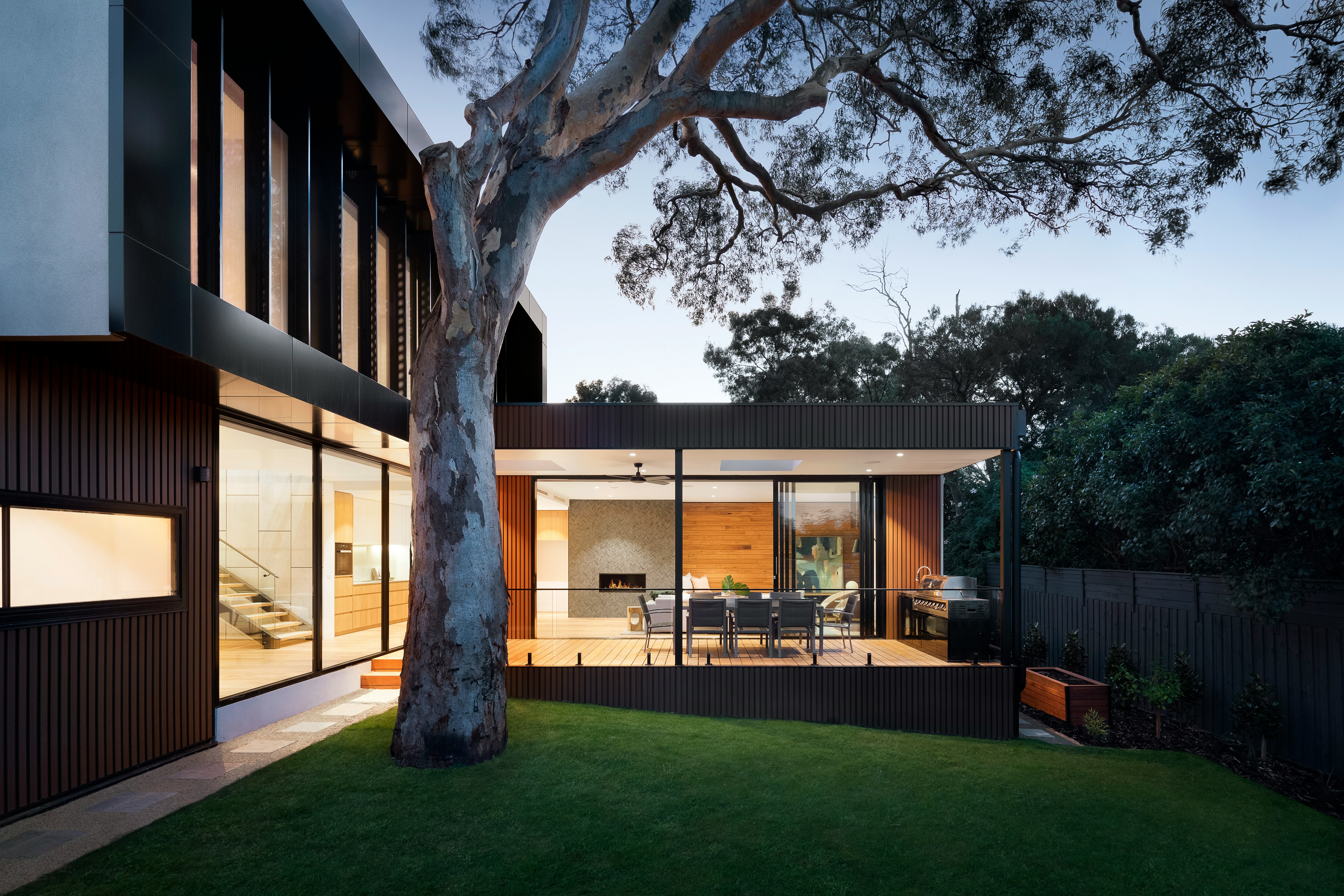
In architectural projects, natural and artificial lighting must be carefully integrated to balance efficiency and ambiance. Daylight, when strategically incorporated, offers sustainability benefits, reducing energy consumption while enhancing well-being. However, reliance on natural light alone may present challenges due to variability in weather and time of day. Artificial lighting solutions complement natural illumination, ensuring consistent brightness levels and emphasizing design elements regardless of external conditions.
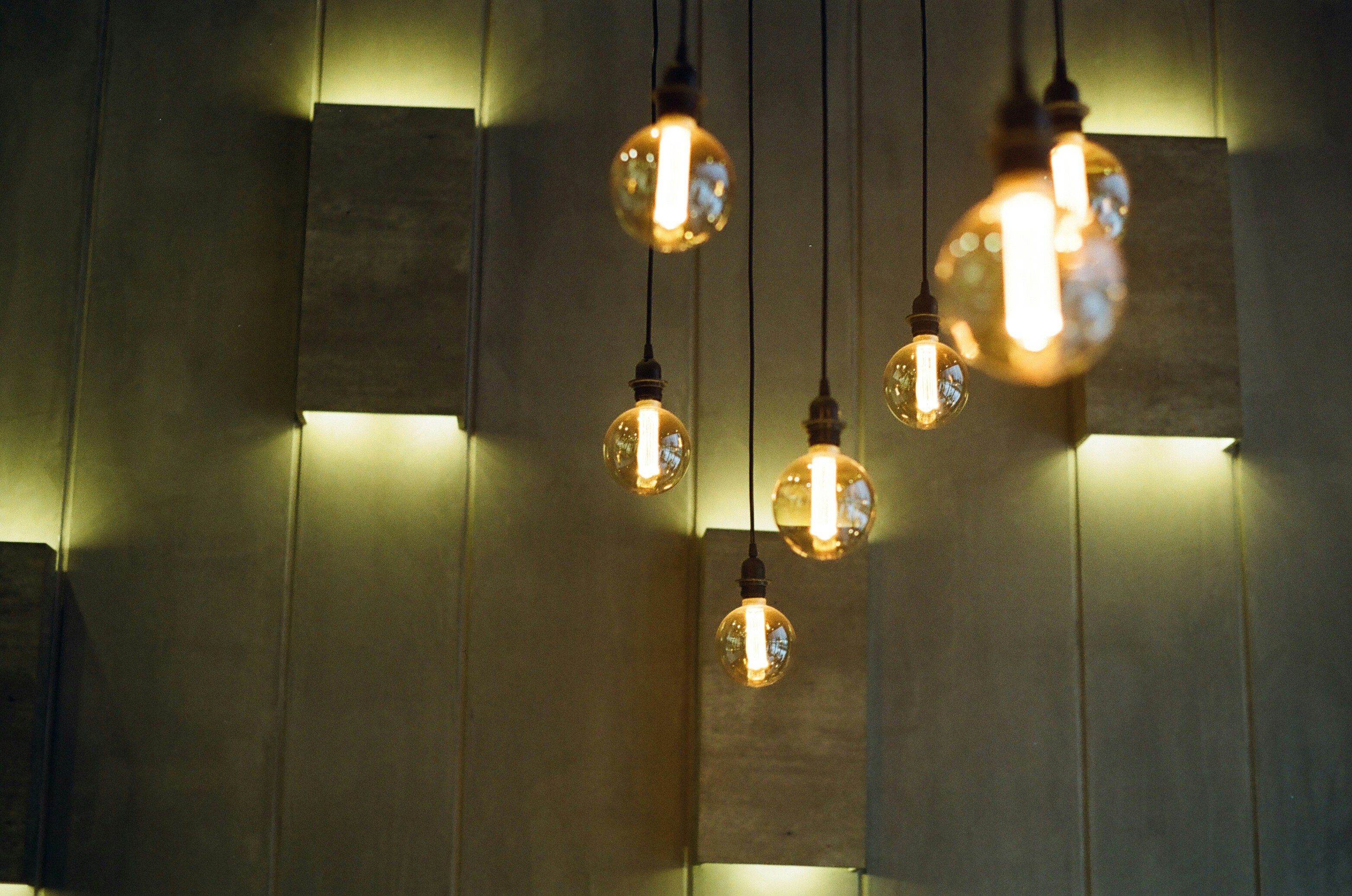
Different lighting techniques contribute to architectural expression. Ambient lighting provides overall illumination, task lighting ensures functionality in specific areas, and accent lighting highlights focal points such as artwork or structural details. The thoughtful placement of fixtures, from recessed lights to pendant lamps, can transform a space by creating depth, contrast, and visual hierarchy. The integration of smart lighting technology further allows for dynamic adjustments, adapting to different uses and enhancing user experience.
Architects recognize that lighting is not just about visibility; it defines how a space is experienced. A well-conceived lighting design aligns with architectural intent, enriching interiors and exteriors alike. Whether through innovative LED solutions, energy-efficient strategies, or artistic lighting installations, the role of lighting in architecture continues to evolve, pushing the boundaries of design and human-centric environments.
Blox’s Team
Light Less Ordinary