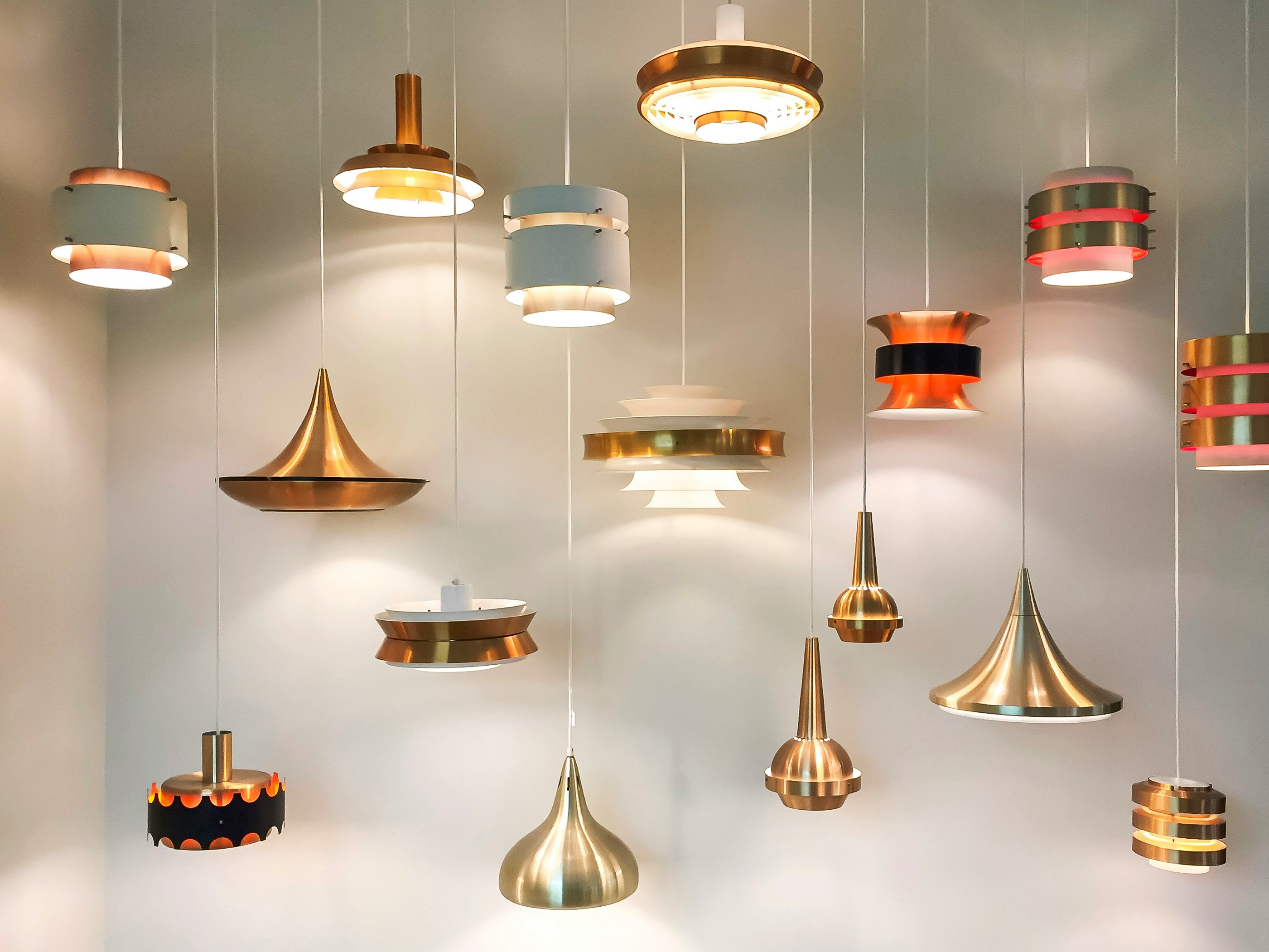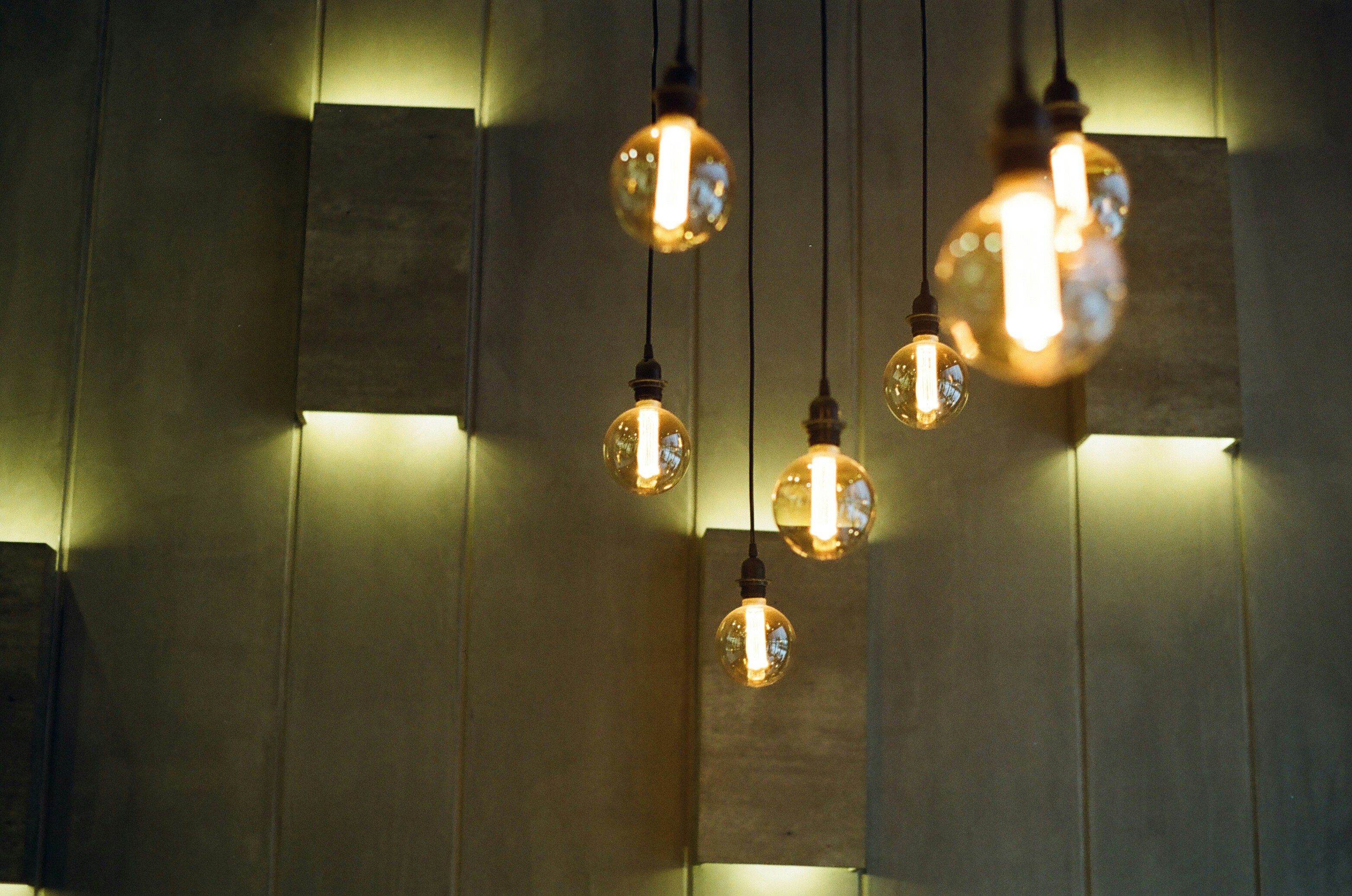
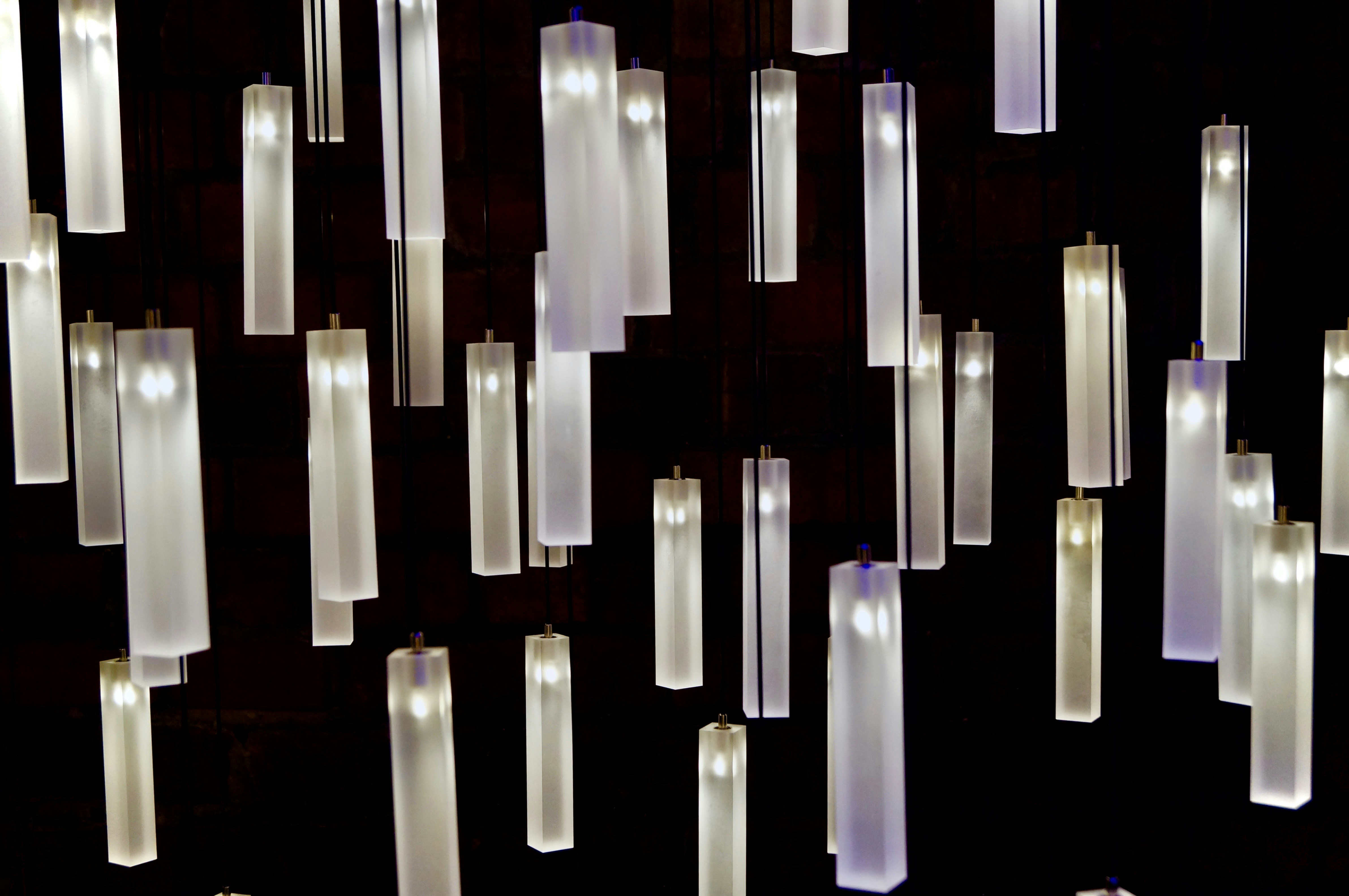
endant lights are more than simple fixtures; they're design statements capable of transforming a room's ambiance. Achieving the desired effect, however, relies heavily on proper placement. Too high, and they lose their impact; too low, and they become obstacles. This guide delves into the art of pendant light placement, ensuring your chosen fixtures illuminate your space beautifully and functionally.
Before installing any pendant light, consider the room's purpose and dimensions. In dining rooms, pendants should hang low enough to illuminate the table without obstructing views, typically 30-36 inches above the surface. In living rooms or entryways, higher placement is often preferred. Ceiling height is also crucial; high ceilings can accommodate longer pendants or clusters, while lower ceilings require smaller fixtures or shorter rods to avoid overwhelming the space.
Kitchen islands and dining tables are prime locations for pendant lights. In kitchens, aim for even spacing, typically 24-30 inches apart, with the number of pendants proportional to the island's length. In dining rooms, center the pendant(s) over the table, considering the table's shape and size. For living rooms and bedrooms, pendants serve more as decorative elements and ambient light sources. Place them in corners or over seating areas to define zones, or use them as bedside lighting alternatives. Entryways and hallways benefit from a single, impactful pendant or a series of evenly spaced lights, ensuring adequate illumination and avoiding obstructions.
Beyond placement, consider the pendant's light output and bulb type. Dimmable pendants offer flexibility, and choosing bulbs with the right color temperature complements your room's décor and desired mood. Don't hesitate to experiment; use painter's tape to visualize potential locations before installation. By carefully considering these factors, you can achieve perfect pendant light placement, enhancing both the beauty and functionality of your space.
Stay tuned for more lighting topics!
Blox's Team, Light Less Ordinary.