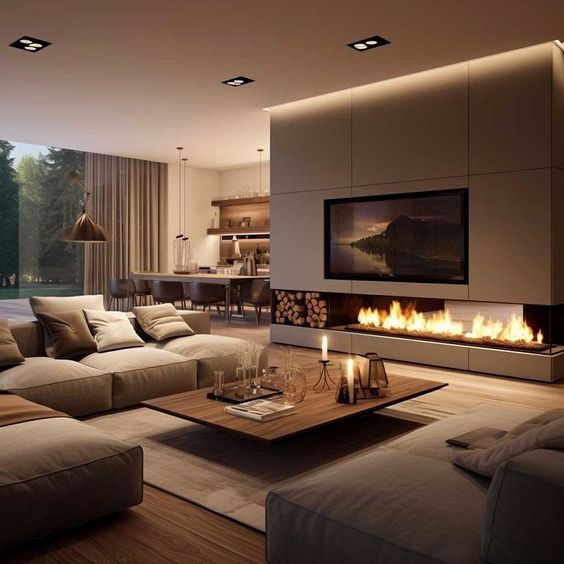
ighting could literally make or break the atmosphere in a room or area. Think about the number of light sources, their position, their colour temperature, right illuminance or brightness.
Living and Dining Room Lighting
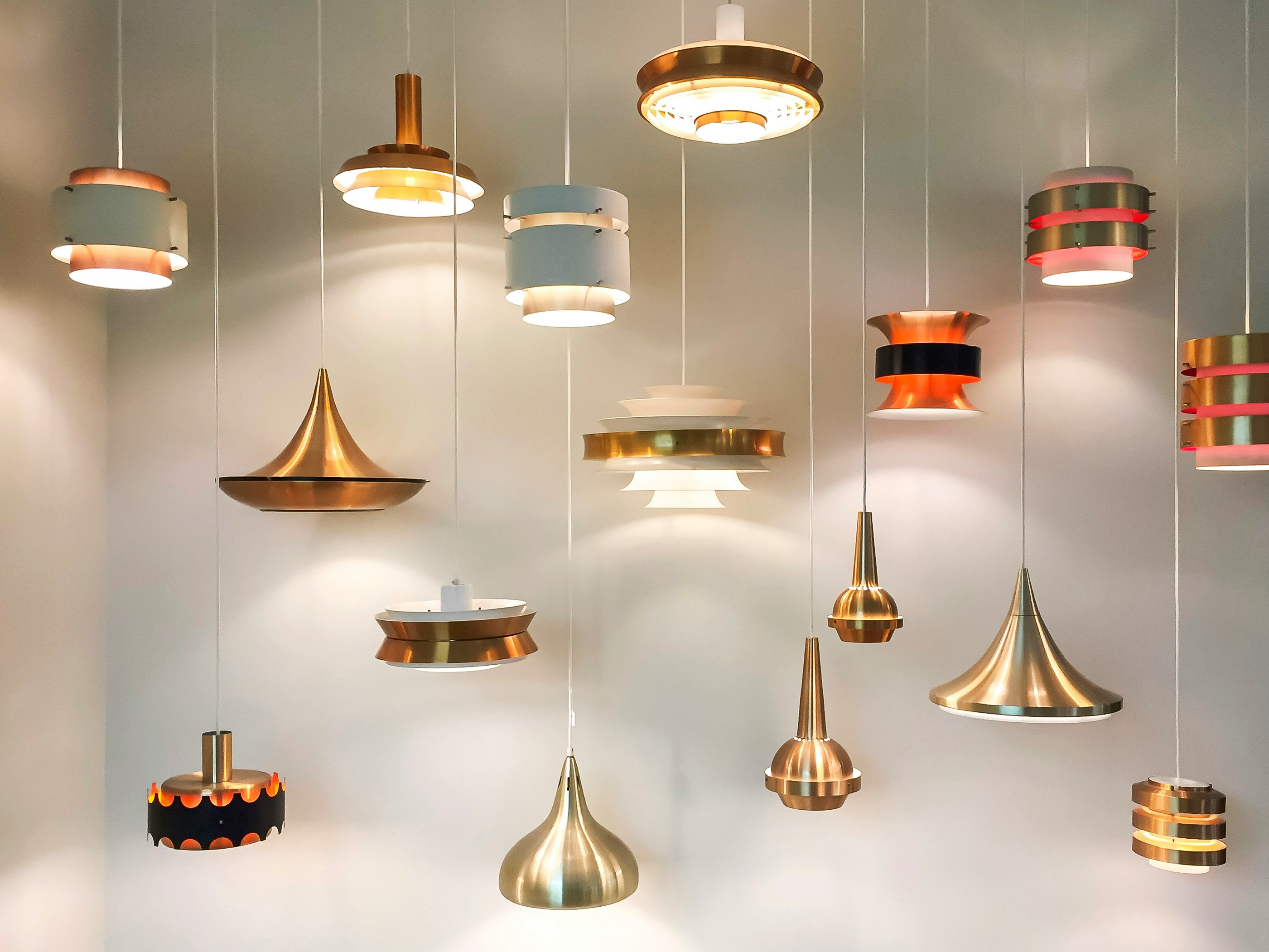
Living and Dining Area probably are the most area in our home with most traffic. We use it day and night. As there will be multiple users using the common area, we might want to have more option of light fixtures in the area. We could divide it into ‘General Lighting’, ‘Mood Lighting’, and ‘Decorative Lighting’ Downlights generally placed in similar distance to produce uniform amount of lights in most of the public area, while mood lighting will be the ‘support’ as they create softer tone to the space. Decorative lights are the ‘spice’ to your space, where it unifies the look and feel.
Bedroom Lighting
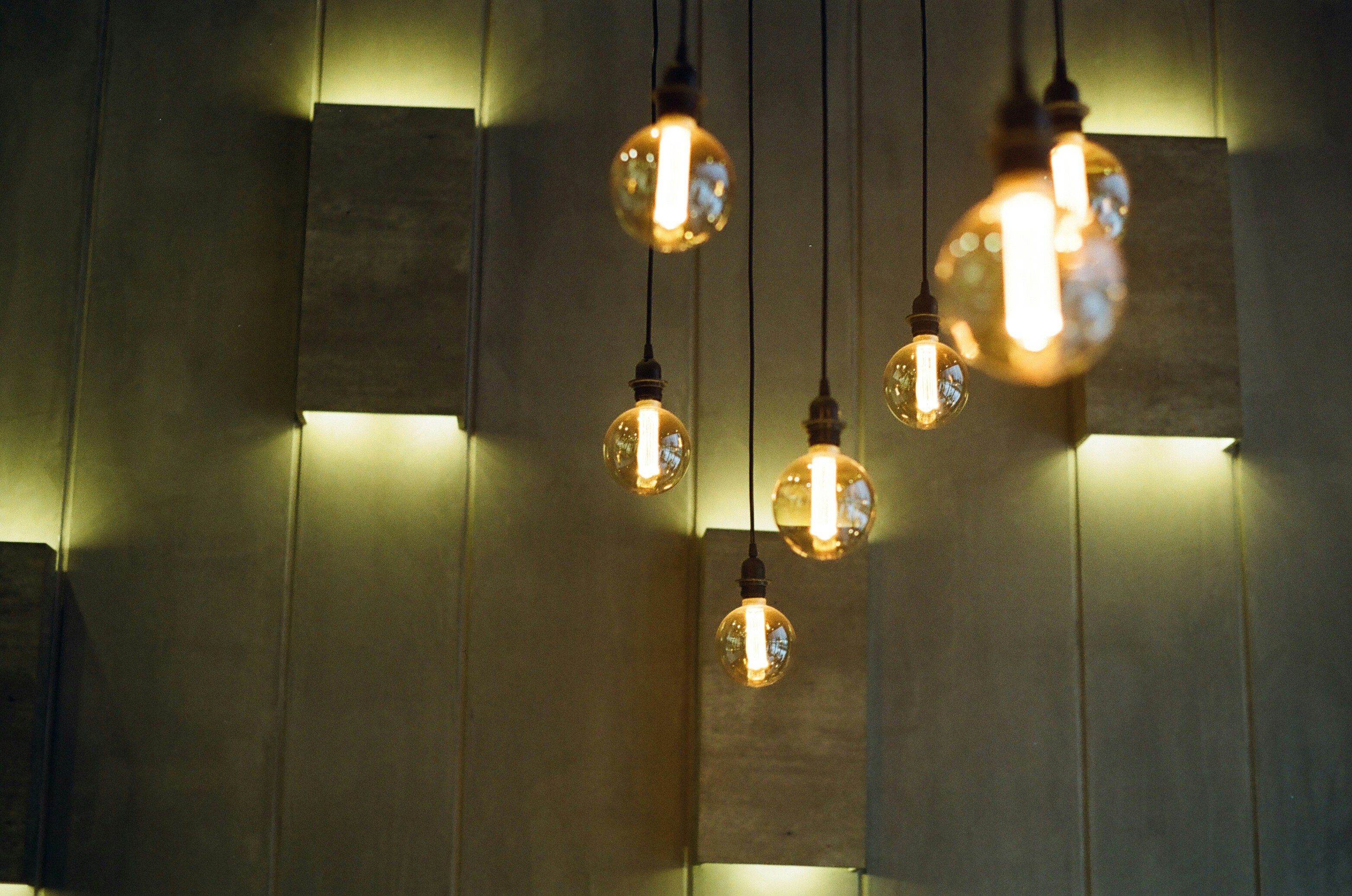
For bedroom light setting, we might want to have more calm and relaxing atmosphere, that will make us feel warm and at ease, may be best achieved with more ‘warm’ lighting effects. It is important to get the brightness just right – too bright may make the atmosphere too ‘clinical’, however if we are unsure about the brightness levels that we want, we can always put dimmer switch that can provide variability in our room. Having different light sources will bring a great deal of versatility to the environment. Having more than one type of light sources like wall lights and ceiling lights, means we can create different ambience with different combinations.
Work Area Lighting
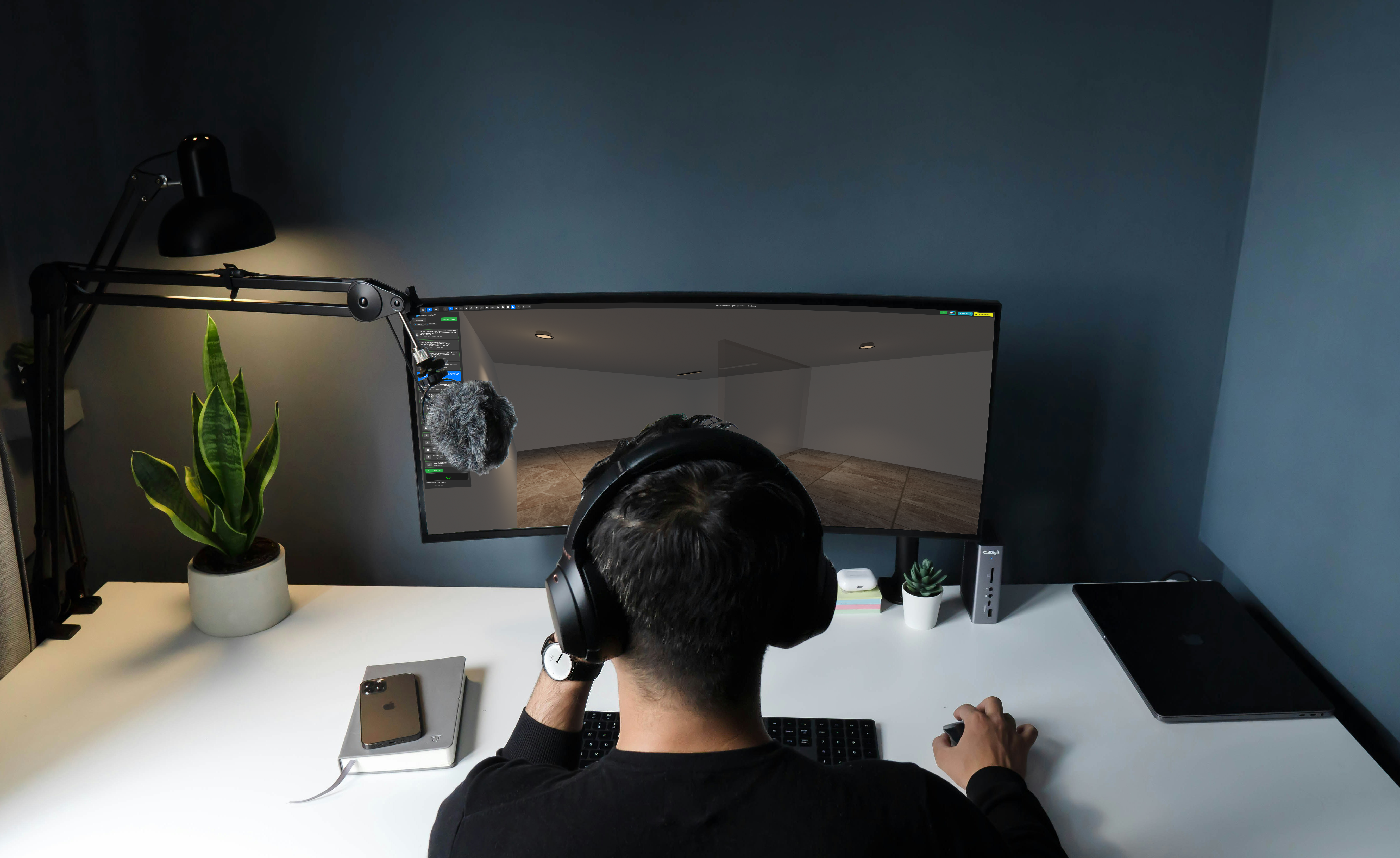
For work area lighting, we might want to have a more general effect rather than a punch at the work surface to avoid our eyes get tired more easily as they need to have different focus at a time to adjust to different brightness level. In this setting, a ‘colder’ blue type of light will be more appropriate than ‘warmer’ yellow light. Should you still prefer ‘warmer’ tone, you might also opt for higher Color Rendering Index (CRI) to see objects more clearly.